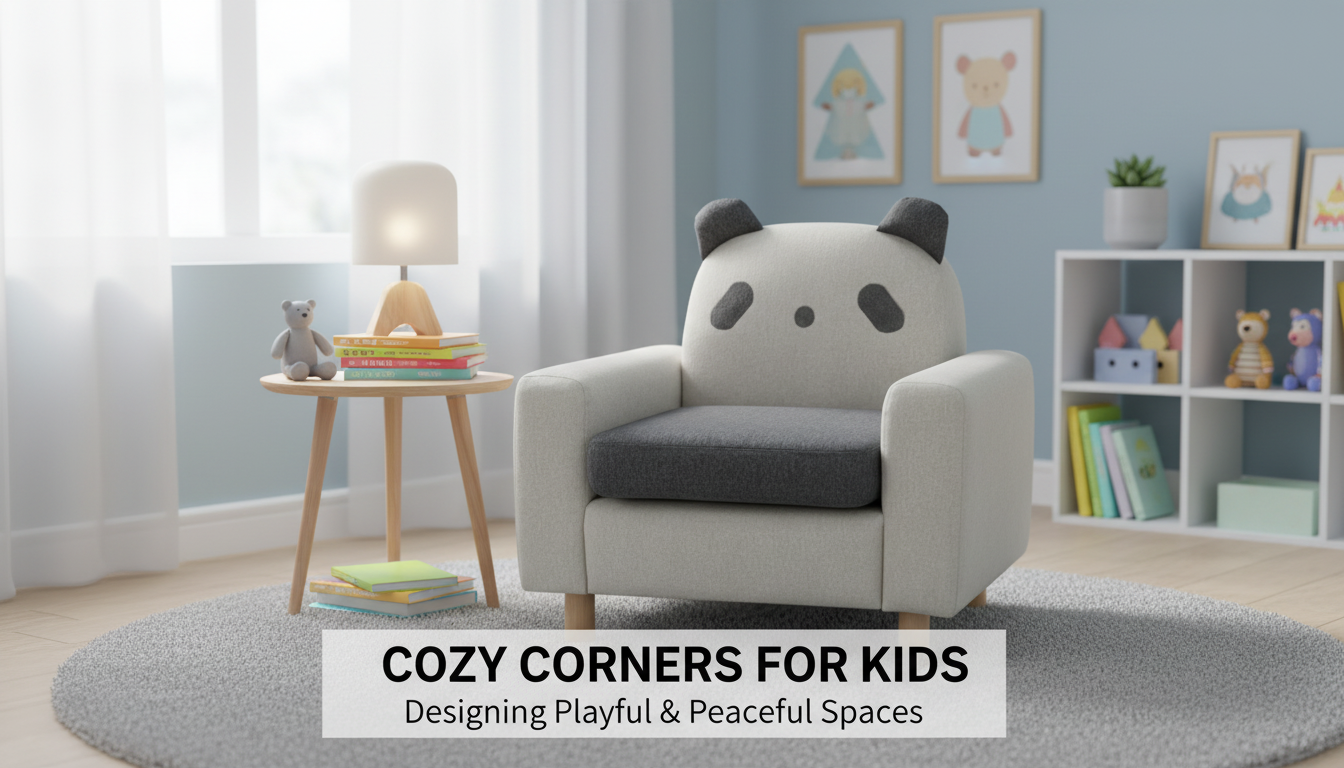
Baby pandas (called cubs) look irresistibly cute because they’re built like living plush toys—round bodies, oversized heads, and tiny limbs that seem a beat behind the rest of them. That “big head, small body” proportion is a classic feature humans instinctively read as baby-like, which naturally triggers a caretaking response.
Their facial features do a lot of the work. Cubs have large, dark eye patches that make their eyes appear bigger and more expressive, plus a small nose and soft muzzle that exaggerate their “baby face.” Even when they’re sleepy or clumsy, those markings create high contrast that draws attention to their eyes, making every glance look extra sweet.
Newborn pandas are extremely underdeveloped compared with many other mammals. They’re born tiny, pink, and nearly hairless, and it takes time for their muscles and coordination to catch up. As they grow and gain that fluffy coat, their wobbly steps, gentle tumbles, and awkward rolls are simply normal learning-to-move behavior—just amplified by their round shape.
Yes. As the cub’s fur thickens, it creates a puffed-up silhouette that looks soft and huggable. The black-and-white coloring also reads clearly from a distance, making their movements easy to follow—so every curious head tilt or slow-motion pounce feels like a starring moment.
For a deeper look at the science and behavior behind panda cuteness, visit the main article on why baby pandas are so adorable.
For The Science Behind Baby Panda Cuteness, the best answer depends on fit, material, care instructions, and how the product will be used day to day.
Newborn panda cubs are surprisingly tiny—about the size of a stick of butter—typically weighing only a few ounces. They grow quickly in the following weeks as their fur comes in and their strength improves.


Leave a comment