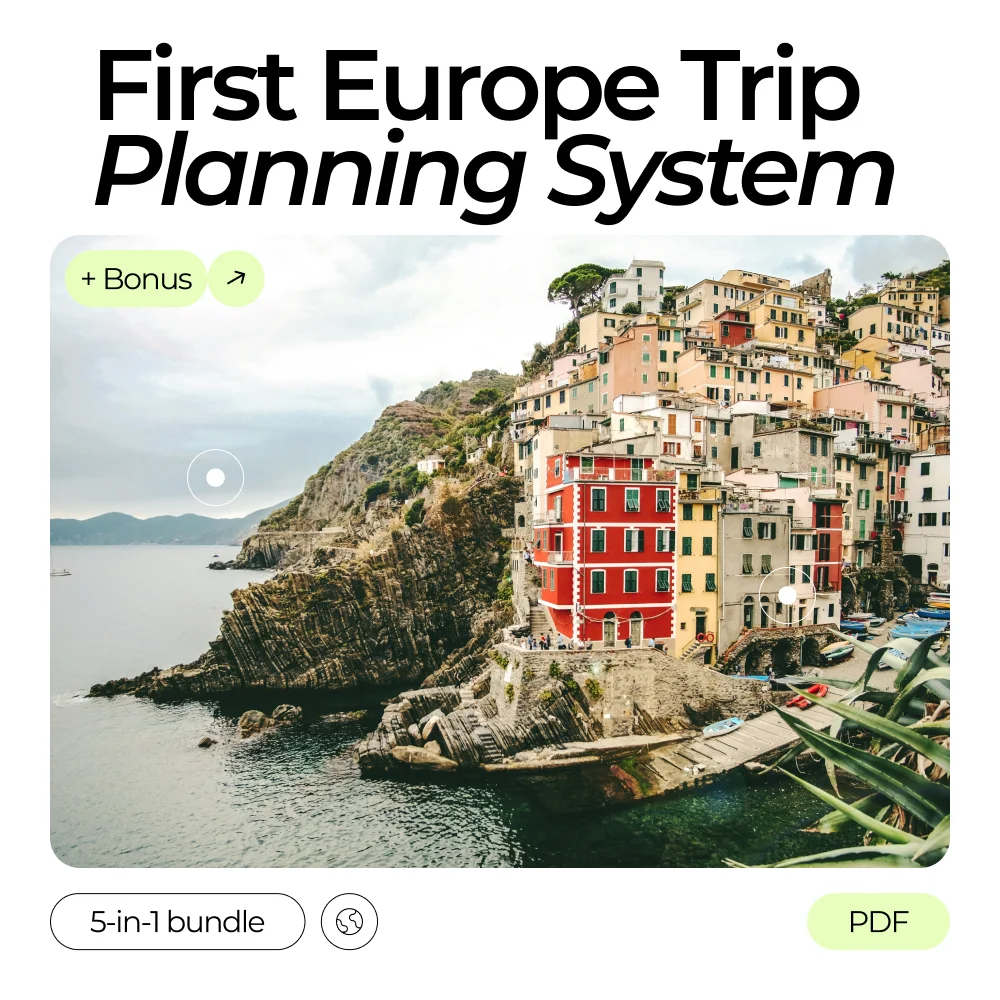
A planning system is a repeatable way to collect information, make decisions, and keep track of the steps needed to reach a goal. Instead of relying on scattered notes or memory, you use a consistent set of tools and routines to move from an idea to a workable plan.
For a trip, that system might include a budget, a destination shortlist, a calendar, a place to save reservations, and a checklist of tasks. The value is not in using a particular app or template. It is in knowing where your information lives and what you need to decide next.
Our team recommends starting with the decisions that shape everything else: how much you can spend, when you can travel, and what you most want to experience. From there, you can compare destinations and build a route that fits your available time.
A useful trip-planning system gives you a place to manage each of these elements:
Choose tools you are comfortable updating. A notebook can hold ideas and checklists, while a spreadsheet can help you compare costs and dates. A calendar is useful for deadlines and a shared document can keep travel companions working from the same information. You can combine these tools without making the process complicated.
Keep your system manageable by reviewing it at key decision points: after choosing your route, before booking major transportation and lodging, and shortly before departure. We also suggest keeping essential reservation details accessible offline in case you cannot connect while traveling.
For a practical way to apply these steps to your first European vacation, explore our first-time Europe trip planning system.
Start once you have a general travel window and budget, giving yourself time to compare routes and book the arrangements that matter most to you. Popular seasons and events can make it useful to begin earlier, especially if your dates are fixed.





Leave a comment