
RC car scale is a ratio that compares the model’s size to the full-size vehicle it’s based on. Finding it is usually quick once you know what to measure and where manufacturers tend to list it. If you’re matching tires, bodies, or parts across brands, confirming scale first helps avoid costly fit issues.
Start with the simplest option: look for “1/10,” “1:10,” “1/8,” “1/16,” and similar markings on the retail box, instruction manual, or the online product description. Many brands print the scale near the model name or specs table.
If the scale isn’t listed or seems questionable, measure the wheelbase: the distance from the center of the front axle to the center of the rear axle. Wheelbase is the spec most commonly used to match bodies and chassis sizes, and it’s harder to “fudge” than overall length.
Measure overall length, width, and tire diameter, then compare your numbers to typical ranges for common scales (like 1/10, 1/8, or 1/16). Keep in mind that “scale” isn’t perfectly standardized—two vehicles labeled the same scale can differ, especially between on-road, off-road, and short course styles.
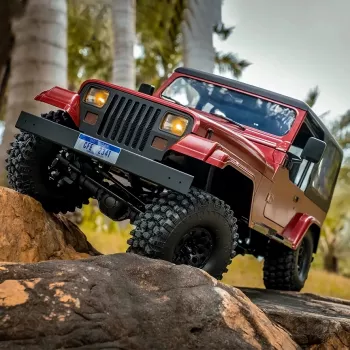
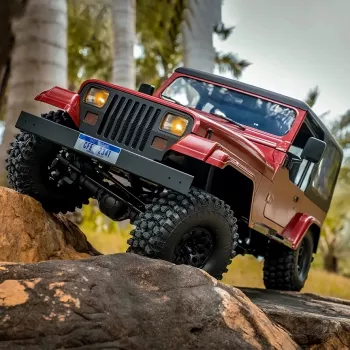
If your RC is clearly modeled after a specific real vehicle, you can estimate scale by dividing the real vehicle’s length by the RC’s length (using the same units). This method is best for scale crawlers and detailed replicas, but it’s less accurate for race platforms with stylized proportions.
For a step-by-step breakdown (including what to do when the scale label and measurements don’t match), visit https://elpisa.com/how-to-find-the-scale-of-a-rc-car/.
1/8-scale vehicles are generally larger, heavier, and built to handle more power and rough terrain. 1/10-scale models are smaller and often offer more variety in body styles and track types, with typically lower running costs.



Leave a comment