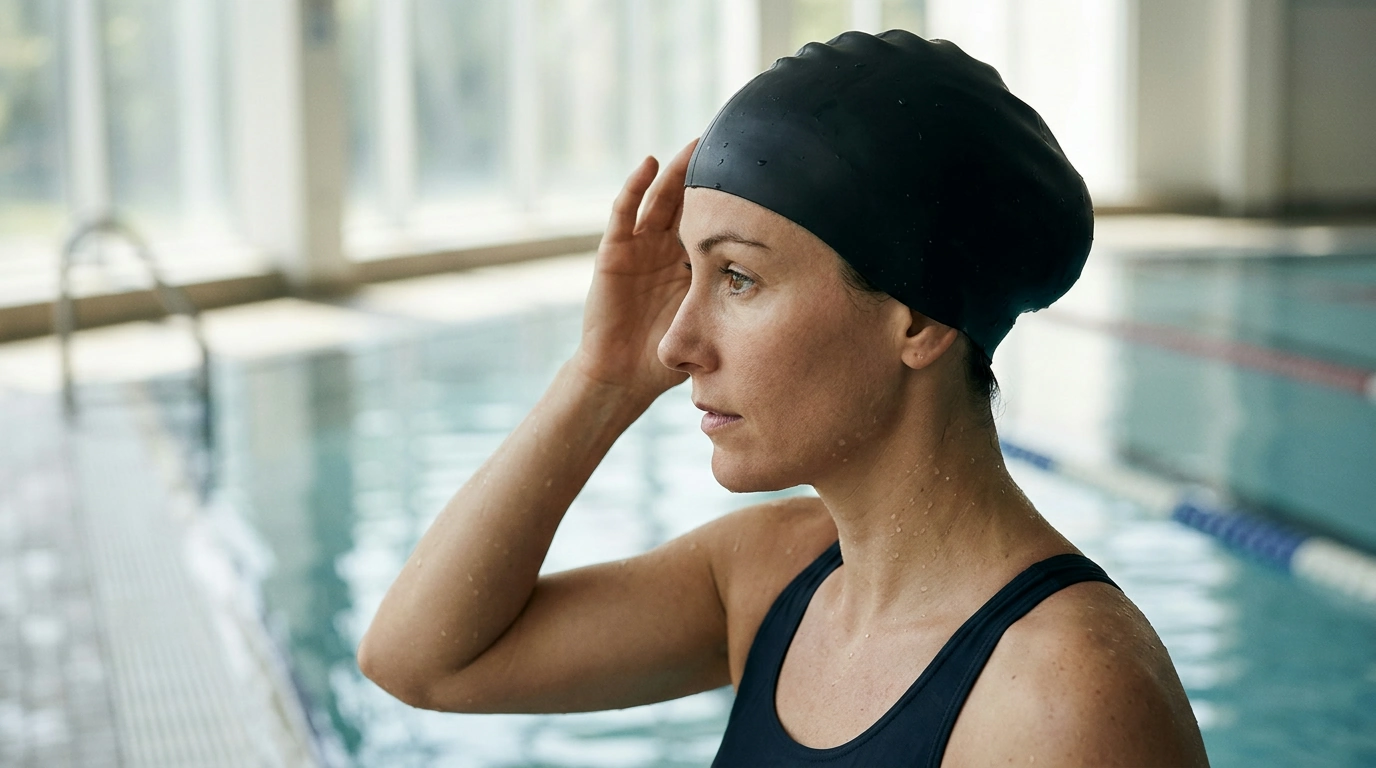
A swim cap should do more than reduce drag—it should keep long hair contained, limit water seepage around the ears, and stay comfortable through warm-ups and long sets. The right long-hair silicone cap feels secure without the pinchy “helmet” sensation, and it won’t demand constant mid-lap adjustments. Below is a practical guide to what matters most, from fit and ear coverage to putting it on smoothly and keeping it in great shape. For more guidance, see Amazon.com: 3D Swim Cap with Ear Protection.
Caps designed for long hair aren’t just “bigger.” Small design shifts change how the cap seals, how it distributes pressure, and how well it stays put during turns. For further reading, see Long Hair Swim Cap With 3D Ear Protection – Silicone, Unisex, With ….
It’s helpful to think of most swim caps as water-resistant rather than “guaranteed dry.” Even when labeled “waterproof,” caps primarily reduce water entry—especially around the ears and hairline—rather than creating a perfect seal.
For hair and scalp protection strategies (especially in chlorinated pools), the American Academy of Dermatology offers practical guidance here: How to protect hair from chlorine.
Ear coverage is a big reason many long-hair swimmers choose silicone. An ear-covering cap can reduce the “flush” of water into the ear canal, which may feel more comfortable during long sessions.
For evidence-based prevention tips, see: CDC: Swimmer’s Ear (Otitis Externa) Prevention.
| Issue | Likely Cause | What to Try |
|---|---|---|
| Cap slips off during laps | Hair is creating a “ramp” under the cap; rim not seated evenly | Switch to a lower bun/braid; smooth the rim all the way around; pull the back edge lower |
| Cap feels painfully tight | Cap positioned too low on forehead or too much hair stacked at crown | Lift the front edge slightly; redistribute hair toward the back; avoid high buns |
| Ears feel folded or sore | Uneven ear placement or excessive downward pull | Re-seat the cap with both ears centered; pull down gently in small increments |
| Hair gets snagged when removing | Dry hair and high friction | Rinse cap and hair; peel cap off slowly from the back forward |
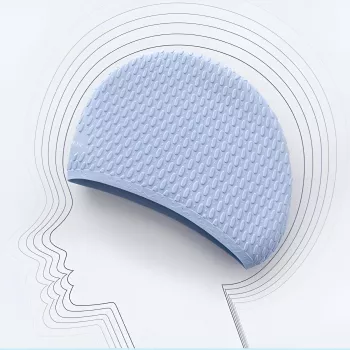
If you want a cap built specifically around long-hair volume and ear coverage, consider this in-stock option: Waterproof Silicone Swim Cap for Long Hair – Ear Protection & Comfort Fit. It’s designed to manage long hair more comfortably during lap swimming and training, while aiming for a secure seal and reduced water flow around the ears. For best results, pair it with a low-bulk hairstyle and take a moment to center ear placement before you start your set.
Usually not. Most silicone caps reduce water entry rather than creating a fully watertight seal, and diving or flip turns can increase seepage. A snug (not painful) rim, low-bulk hair, and even placement around the hairline and nape help minimize moisture.
Covering the ears can reduce water flushing into the ear canal and can help hold earplugs in place. The cap should apply gentle, even pressure—if it causes soreness, re-seat it or consider a different fit. Ongoing ear symptoms after swimming should be discussed with a clinician.
Avoid pulling the cap too low on your forehead, reduce hair bulk at the crown, and aim for even tension on both sides. Small adjustments (especially around the ears and nape) often relieve pressure without sacrificing the seal. Choosing silicone with the right balance of stretch and thickness also helps.






Leave a comment