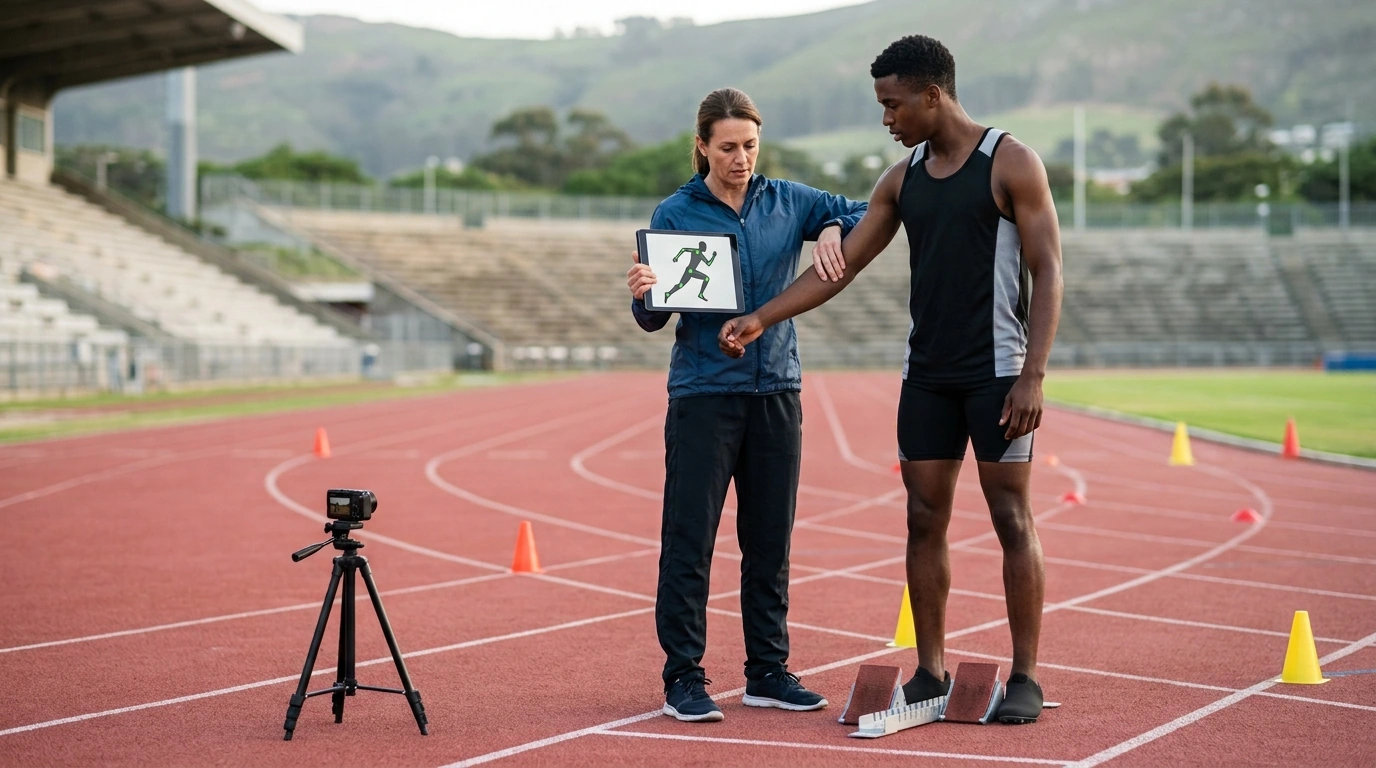
AI-assisted feedback is changing how coaches and athletes evaluate technique, track training load, and turn practice into measurable improvement. The most effective approach isn’t “more data”—it’s a repeatable loop: capture, analyze, adjust, and re-test. When that loop is consistent, athletes get clearer cues and coaches make faster, more reliable decisions while keeping the human side of coaching (trust, motivation, and context) at the center.
In practical terms, AI feedback is a way to make technique coaching more consistent and easier to compare across sessions. That might look like video-based movement metrics, sensor readouts, or structured observation tags that turn “that looked better” into something you can verify and repeat.
More importantly, AI feedback is a workflow, not a gadget. Raw practice data becomes useful only when it answers coaching questions: what changed, why it matters, and what to do next session. The coach still decides what to prioritize based on sport demands, athlete readiness, and the reality that timing matters—sometimes the best change is the one an athlete can actually execute under pressure.
AI fits best where the eye can miss trends in real time: movement consistency, adherence monitoring, workload patterns, and small technique shifts that add up across weeks.
Done well, AI-assisted feedback improves both the quality and clarity of coaching. Technique cues become sharper—less “be more explosive” and more “hit this position by this time” or “reduce this asymmetry by a small, meaningful amount.” That specificity helps athletes understand what “good” looks like and helps coaches avoid over-coaching.
It also improves session quality. If a drill stops producing the intended change, you can detect it sooner and pivot—saving reps for when they actually matter. Over time, athletes get visible proof of progress, which strengthens buy-in and confidence, especially during plateaus.
At the program level, AI-style standards create more consistent communication: shared definitions of a “good rep,” consistent testing setups, and fewer mixed messages across staff.
| Signal type | What it can show | Typical coaching action | Best used when |
|---|---|---|---|
| Video-based movement metrics | Joint angles, timing, symmetry, bar path, stride mechanics | Pick 1–2 cues; constrain drill; re-test immediately | Technique work, skill acquisition, rehab return-to-play checkpoints |
| Wearable load indicators | Volume, intensity trends, internal/external load, fatigue proxies | Adjust load, add recovery, modify microcycle | In-season management, high-density competition periods |
| Performance outputs | Speed, power, accuracy, reaction time, consistency | Confirm whether a technique change transfers to performance | When deciding if a change should be kept or rolled back |
| Structured practice tagging | Error types, decision patterns, context of mistakes | Change task constraints; increase variability; refine decision cues | Team sports, open-skill environments, tactical learning |
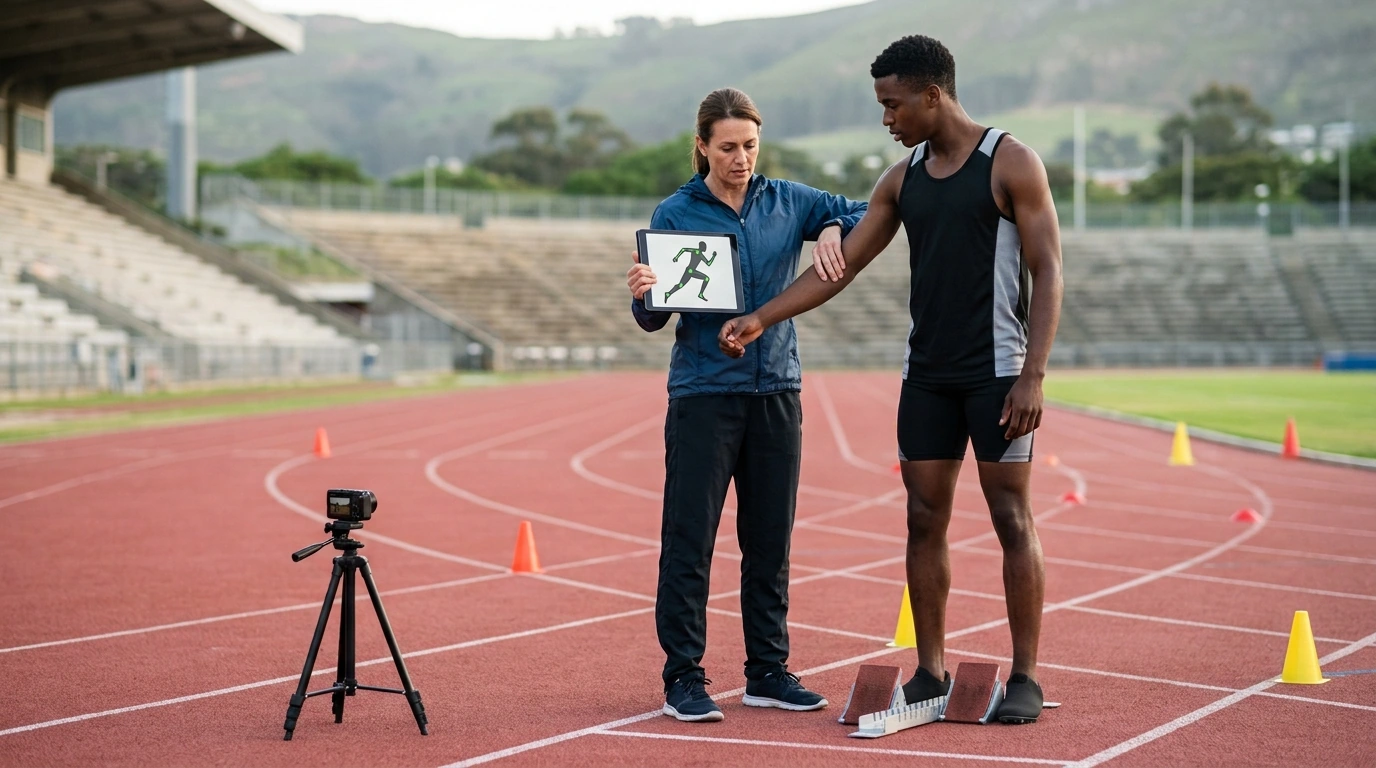
Capture: Standardize camera angles, lighting, and drill setup. Consistency is what makes comparisons meaningful; a “better” rep filmed from a different angle can be a false improvement.
Analyze: Focus on a small set of metrics tied to performance. Measuring everything creates noise unless each number has a decision attached (keep, change, or stop).
Cue: Deliver one primary cue and one backup cue. Keep language stable across sessions and staff so the athlete isn’t translating new wording every day.
Test: Re-measure quickly—either the same drill or a near-transfer test—so you confirm the change is real, not a lucky rep.
Document: Write down what you changed, what improved, and what regressed. Over time, this becomes an athlete-specific playbook: what works, under what conditions, and how long it takes to stick.
The best feedback system supports performance outcomes first: speed, power, accuracy, durability, and consistency under stress. A technique change only matters if it supports the athlete’s goal and survives the conditions of competition.
Collect only what supports a coaching decision, and anonymize when possible during shared reviews. If you’re building policies or program standards, the NIST AI Risk Management Framework (AI RMF 1.0) offers a practical lens for reducing risk and improving transparency. For athlete welfare guardrails beyond performance, reputable resources like the World Athletics safeguarding materials and the IOC consensus statement on mental health in elite athletes help reinforce a people-first approach.
Next-Gen Coaching: AI Feedback for Peak Performance (Ebook) — A guide-style system for building the capture → analyze → cue → test loop, with practical guardrails to keep decisions athlete-centered.
Capsule Wardrobe Builder Kit | How to Build a Capsule Wardrobe 3-in-1 Guides — Helpful for athletes and coaches who travel often and want a simple, repeatable approach to packing and daily routines.
Retro Countertop Microwave Oven with Digital Display – 0.7 Cu. Ft., 700W — A practical option for quick post-training meals when time and consistency matter.
No. AI can improve consistency and highlight patterns, but coaching judgment—context, timing, athlete readiness, and communication—still determines what to change and when to leave things alone.
A phone camera, a stable tripod, and repeatable angles are enough to start. Wearables and specialized apps can help later, but standardizing your setup usually delivers bigger gains than buying more gear.
Limit cues to one primary focus and validate changes with simple tests rather than constant self-monitoring. Separating “explore” sessions (learning) from “perform” sessions (execution) also helps prevent paralysis by analysis.





Leave a comment