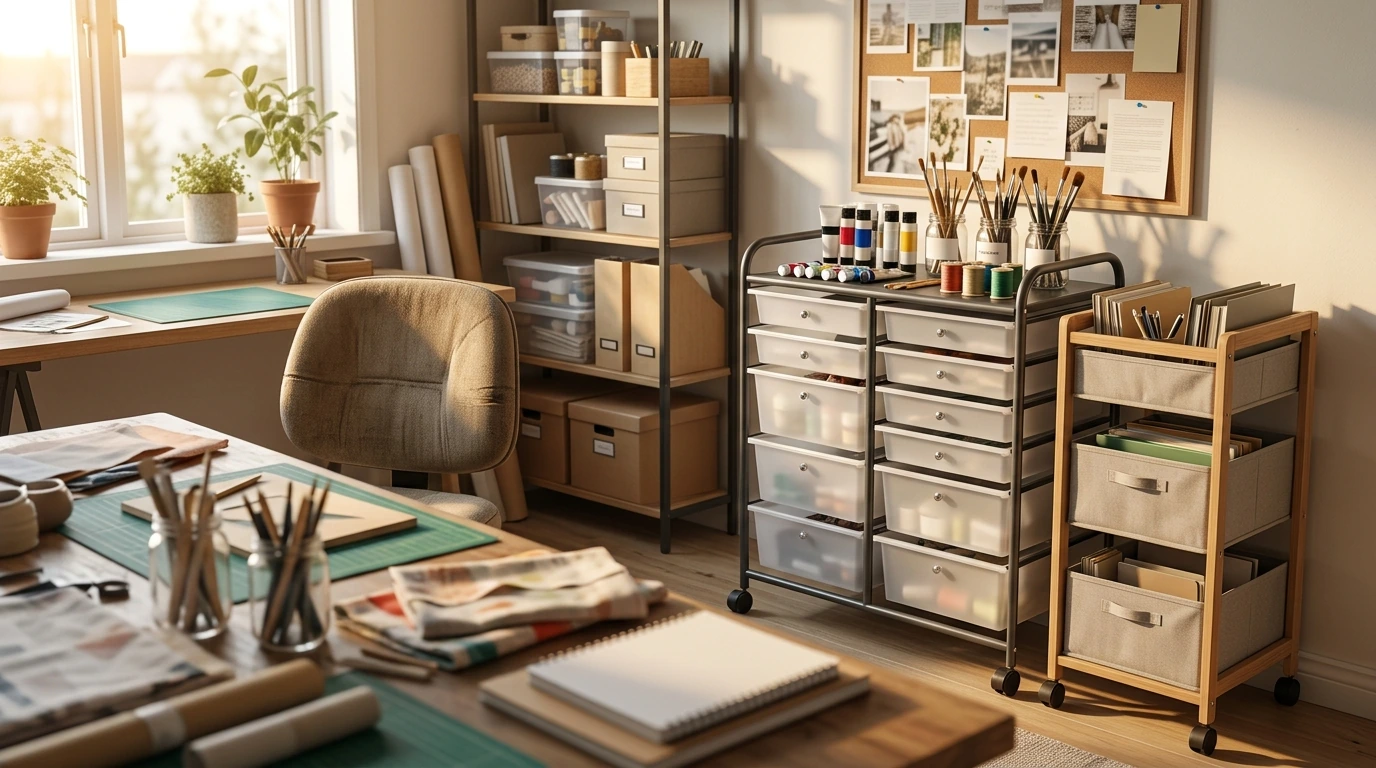
Rolling carts with drawers are worth it when you need flexible storage that also keeps small items contained and easy to find. Unlike open-shelf carts that can look cluttered fast, drawers hide utensils, towels, batteries, spice packets, or charging cords so your space feels calmer even when you’re busy. If you live in a small kitchen or a multipurpose space, that “close the drawer and reset” benefit can be surprisingly valuable.
The biggest advantage is organization on the move. A rolling cart can shift from prep station to coffee bar to craft supply hub without unloading everything each time. Drawers also protect items from dust, splashes, and grease—helpful if the cart parks near the stove or sink. Many designs pair drawers with shelves or a top surface, giving you three functions in one footprint: storage, staging, and extra counter space.
If you mainly need to store bulky appliances (stand mixers, air fryers) or tall pantry items, drawers can reduce usable volume compared to open shelves. Cheaper carts sometimes have shallow drawers, weak slides, or lightweight casters that wobble when you push. If you don’t plan to roll it often, a stationary cabinet may feel sturdier for the same price.
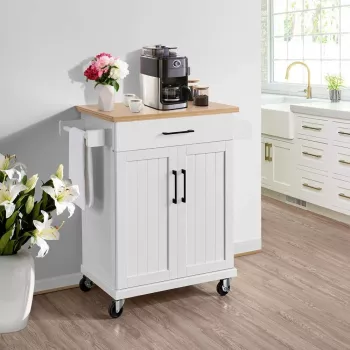
Look for smooth drawer glides, solid joinery, and casters that lock. Measure what you actually want to store—especially drawer height—then confirm the cart’s top surface can handle your typical tasks (like a cutting board, microwave, or prep bowl). For more tips on picking the right setup for tight spaces, see the full guide here: kitchen cart with drawer storage for small kitchens.
For Rolling Carts With Drawers: Worth It? Pros, Cons & Tips, the best answer depends on fit, material, care instructions, and how the product will be used day to day.
Use drawers for small, high-frequency items like utensils, measuring tools, linens, snack bars, and clutter-prone extras (batteries, pens, takeout menus). Keep heavier items on lower shelves to improve stability.




Leave a comment